Seismic activities, such as earthquakes, can have devastating consequences on buildings and infrastructure. To mitigate the risks associated with seismic events, it is essential to implement proper bracing techniques. bracing seismic activities involve reinforcing structures to withstand the shaking and ground motion caused by earthquakes. This article will discuss the importance of bracing seismic activities and provide insight into how to safeguard against earthquakes.
Earthquakes are a natural phenomenon that occur when tectonic plates shift and release energy. The resulting ground shaking can cause buildings to sway and collapse, putting lives and property at risk. In order to minimize the impact of earthquakes on structures, engineers have developed bracing techniques to strengthen buildings and infrastructure.
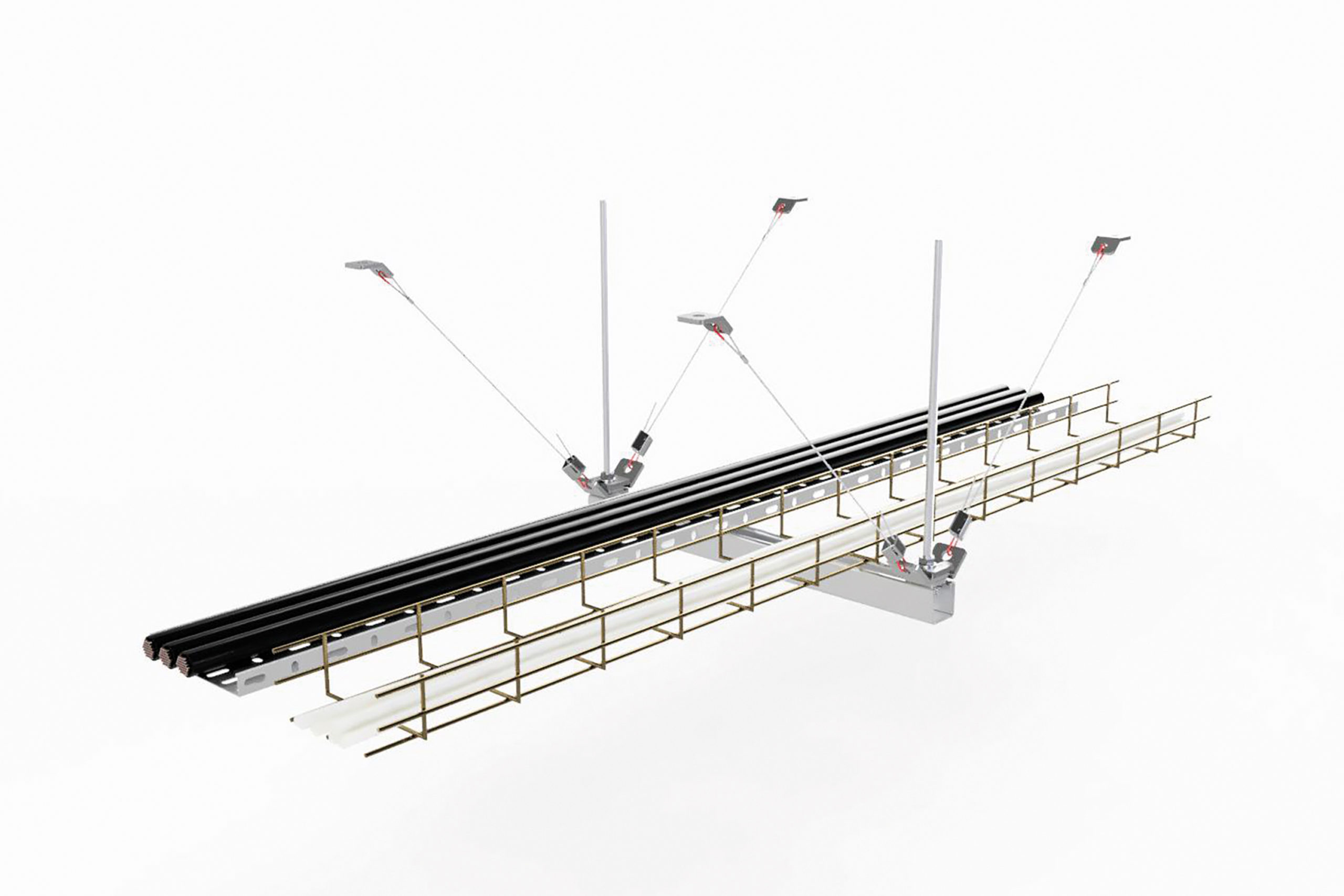
One common method of bracing seismic activities is through the use of seismic braces. These braces are designed to absorb and dissipate the energy generated by an earthquake, reducing the amount of force transmitted to the structure. Seismic braces can be installed in buildings, bridges, and other structures to improve their resistance to earthquakes.
Another important aspect of bracing seismic activities is the use of seismic retrofits. Seismic retrofits involve strengthening existing structures to meet current building codes and standards for seismic resistance. This may involve adding steel reinforcement, improving foundation systems, or retrofitting connections between structural elements.
In addition to structural bracing, non-structural elements also play a crucial role in bracing seismic activities. Non-structural elements, such as utilities, partitions, and contents, can pose significant hazards during an earthquake if not properly secured. By securing these elements with bracing and anchoring systems, the risk of damage and injury can be reduced.
Proper bracing of seismic activities is essential for ensuring the safety and resilience of buildings and infrastructure in earthquake-prone regions. By implementing bracing techniques, structures can better withstand the forces of an earthquake and minimize the risk of collapse and damage. Additionally, bracing seismic activities can help protect the occupants of buildings and prevent loss of life during seismic events.
When designing and constructing new buildings, engineers must consider the seismic risks inherent in the region and implement appropriate bracing measures. This may involve designing buildings with flexible and ductile structural systems that can absorb the energy of an earthquake without failing. Additionally, the use of base isolation systems can help reduce the transfer of seismic forces to the structure, further enhancing its resilience.
For existing buildings, retrofitting with seismic bracing systems can improve their resistance to earthquakes and ensure their continued safety and functionality. By conducting a seismic assessment and implementing recommended retrofits, building owners can enhance the seismic performance of their structures and protect against potential damage.
In conclusion, bracing seismic activities is essential for safeguarding buildings and infrastructure against the devastating effects of earthquakes. By implementing proper bracing techniques, such as seismic braces, retrofitting, and securing non-structural elements, structures can be made more resilient to seismic events. Engineers, architects, and building owners must work together to prioritize seismic safety and ensure the integrity of structures in earthquake-prone regions. By bracing seismic activities, we can create a safer and more resilient built environment for present and future generations.